Loading...
Serving Marshall, TX and surrounding areas. (430) 214-0130
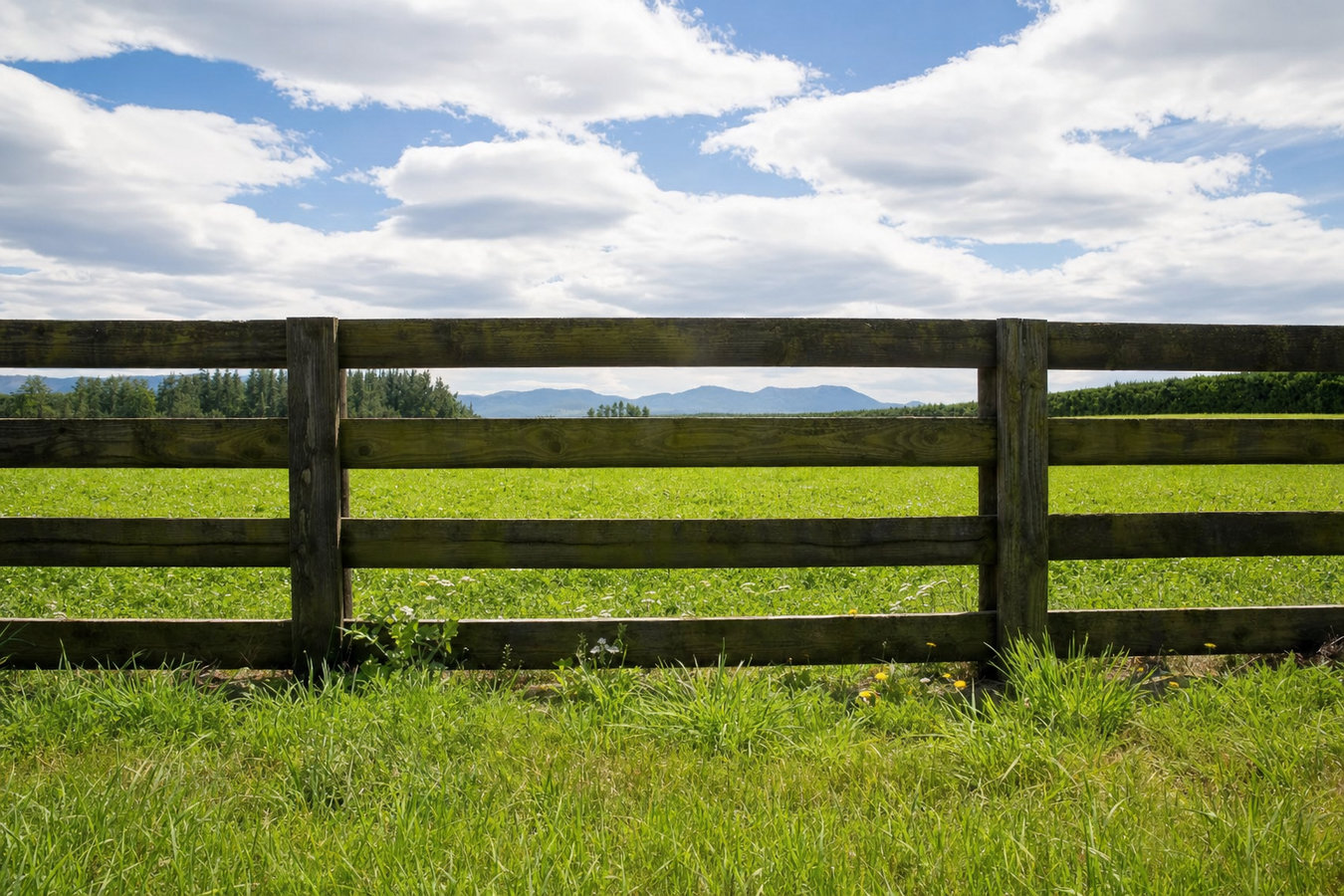
Harrison County's clay soil and East Texas weather demand fencing that is set right from the start - we walk your fence line before quoting and build barriers that hold through seasons of use.
Farm and ranch fencing in Marshall covers everything from barbed wire cattle perimeters to woven wire goat pens and pipe fencing for horse paddocks. Most residential farm fence projects in East Texas take one to five days on-site depending on acreage and terrain. No two fence lines are the same here - Harrison County properties often have thick underbrush, timber, and clay-heavy soil that moves with the seasons, all of which affect how posts are set and how long the fence lasts.
We walk the actual fence line before quoting. That visit lets us see the vegetation that needs clearing, the soil conditions at each corner post location, and any grade changes that affect how the fence sits at ground level. A firm price over the phone without a site visit is not a price you can rely on - especially in Marshall, where brushy fence lines and clay soil regularly add cost that is only visible up close. If you also need to keep pets or working dogs contained within the farm perimeter, our pet and dog fencing options can be integrated into the same fence plan.
For properties that need a cost-effective large-perimeter solution, our chain link fence installation is an option worth considering alongside traditional farm fence materials for certain sections of a property.
If you can grab a post and move it by hand, it is no longer doing its job. In Marshall's clay-heavy soil, posts that were not set deep enough or not properly backfilled work loose over time as the ground swells and shrinks with rain and dry spells. A leaning post puts stress on every strand of wire attached to it, and one failed post can start a chain reaction down the line.
Wire that hangs low between posts is not just an eyesore - it is a gap that livestock can push through, step over, or get tangled in. Sagging usually means the wire was never pulled tight enough during installation, or that it has stretched over years of use. Sometimes it can be re-tensioned; in other cases, the wire needs replacing.
If your cattle, goats, or horses are getting out despite the fence looking intact, walk the entire line carefully. Animals are good at finding weak spots - a low section, a gap under a gate, a post that has shifted just enough to create an opening. East Texas brush and vegetation can hide these problem spots until an animal finds them first.
Marshall's humid climate and dense vegetation mean fence lines can get swallowed by brush, vines, and small trees in just a few years. When you cannot see the wire, you cannot assess its condition - and vegetation growing into the fence accelerates rust and puts constant pressure on posts and wire. If your fence line looks more like a hedgerow, it is time for a professional assessment.
We install the full range of farm and ranch fence types used across Harrison County - barbed wire, high-tensile wire, woven wire (also called field fence), and pipe fencing. Barbed wire is the most common choice for cattle perimeters because it covers large acreages cost-effectively and holds up well when installed with proper corner bracing. High-tensile wire stays tighter over time and requires less maintenance, which makes it a good long-term investment on properties where you do not want to re-tension wire every few years. Woven wire is the right call when you need to contain smaller animals like goats or hogs that can push through barbed wire gaps.
Gates are often the weakest point in any farm fence, and we take them seriously. Gate posts are set heavier than line posts, hardware is rated for the gate weight, and latches are chosen so they hold through daily use without a determined animal figuring them out. Whether you need a single pedestrian gate or a wide equipment entry, we size and hang it to stay functional for years. For properties needing a contained area for dogs or smaller pets alongside livestock areas, we can incorporate pet and dog fencing into the same project. For sections that border a road or need a tighter mesh, chain link fence installation is a practical complement to traditional farm fence materials.
Best for cattle perimeters and large acreage - cost-effective, durable, and the most common choice across Harrison County ranches.
Suits landowners who want a fence that stays tighter over time and requires fewer maintenance visits across large properties.
Right for goats, hogs, or mixed livestock that need tighter spacing to stay contained - also used as a base layer under barbed wire for added security.
Best for horse paddocks, working pens, and high-traffic areas where strength and visibility matter more than cost per foot.
Harrison County has a meaningful agricultural economy, and livestock fencing is a familiar need across the area. But the local conditions here create real challenges that contractors from outside the region often underestimate. Marshall sits in the Pineywoods region of East Texas, where dense vegetation and overgrown fence lines are common - brush clearing alone can add significant time and cost to a project that looks straightforward on a map. On top of that, the clay-heavy soil swells when it rains and shrinks during dry periods, which gradually loosens posts that were not set with this movement in mind. A fence built for drier, sandier Texas soil will not hold up the same way in Harrison County. The Texas A&M AgriLife Extension publishes guidance on livestock fencing that reflects the practical realities of East Texas conditions.
Marshall's summers are hot and humid from late spring through early fall, which accelerates rust on uncoated wire and rot in untreated wood posts. Asking about galvanized wire and pressure-treated posts is worth the conversation for any fence you want to last 20-plus years. We serve landowners across the area, including properties in Henderson and Tatum, and we are familiar with the terrain, soil, and vegetation conditions that shape every project in this region.
When you reach out, we respond within one business day. We ask a few quick questions - acreage, fence type, animals involved, existing fence - before scheduling a visit. Even a rough satellite image of your property helps the initial conversation.
We come out and walk the actual fence line - not the road in front of it. We note the vegetation that needs clearing, the soil conditions at corner post locations, any grade changes, and where gates need to go. Your written estimate accounts for all of it. The number we give you after the walk is the number you can rely on.
Before the crew arrives, move livestock to a different area so we can work safely along the fence line. If there is old fence to remove, we handle that as part of the project. Make sure equipment can access the line - unlocking gates and clearing any blocked path saves time on installation day.
The crew sets corner and gate posts first - these anchor the entire fence. Line posts and wire come next. Depending on acreage and terrain, the job takes one to several days. Before we leave, walk the fence line with us. Check every post, every gate latch, every run of wire. This is the time to flag anything - it is easier to address before the crew packs up.
We do not quote from the road or over the phone - we walk your property so the number you approve is the number you pay.
(430) 214-0130We never give you a firm price without visiting your property. Brush clearing, terrain, and soil conditions are only visible on the ground - and all three affect the final cost in East Texas. The estimate you receive after our site visit is one you can take to the bank, not a number that grows once work begins.
The clay-heavy soil across Harrison County swells when wet and shrinks when dry, and that movement pushes out posts that were not anchored correctly. We set posts deeper than the standard minimum and use concrete or compacted gravel backfill to stabilize them in this specific soil. It is the detail that separates a fence that lasts 20 years from one that needs major repairs in five.
The corner and gate posts are what the entire fence hangs on, and they fail faster than anything else when installed incorrectly. Every corner we build gets proper diagonal bracing and is set substantially deeper than line posts. A fence with solid corners will still be standing and tight long after a cheaper job has started pulling loose.
Marshall's hot, humid summers are hard on bare metal wire and untreated wood posts - rust and rot set in faster here than in drier parts of Texas. We use galvanized or coated wire and pressure-treated posts as the standard for agricultural fencing in this area, because the upfront cost difference pays for itself many times over in a fence that does not need replacement in a decade.
Farm fencing in Harrison County is not a one-size-fits-all job. The local soil, vegetation, and climate all shape how it needs to be done - and we have been building fences in this area long enough to know the difference. When you call us, you are getting a contractor who understands this land, not one who learned about it from a satellite image.
Dedicated enclosures and kennel-grade fencing for dogs and smaller animals that need a tighter barrier than standard farm fence materials provide.
Learn MoreGalvanized chain link panels for road frontage, equipment yards, or sections of a farm perimeter that need a tighter mesh and a clean appearance.
Learn MoreFall is the best time for fence work in East Texas - the ground is right and crews have availability. Reach out now and we will walk your property and give you a written estimate you can count on.