
Loading...
Serving Marshall, TX and surrounding areas. (430) 214-0130
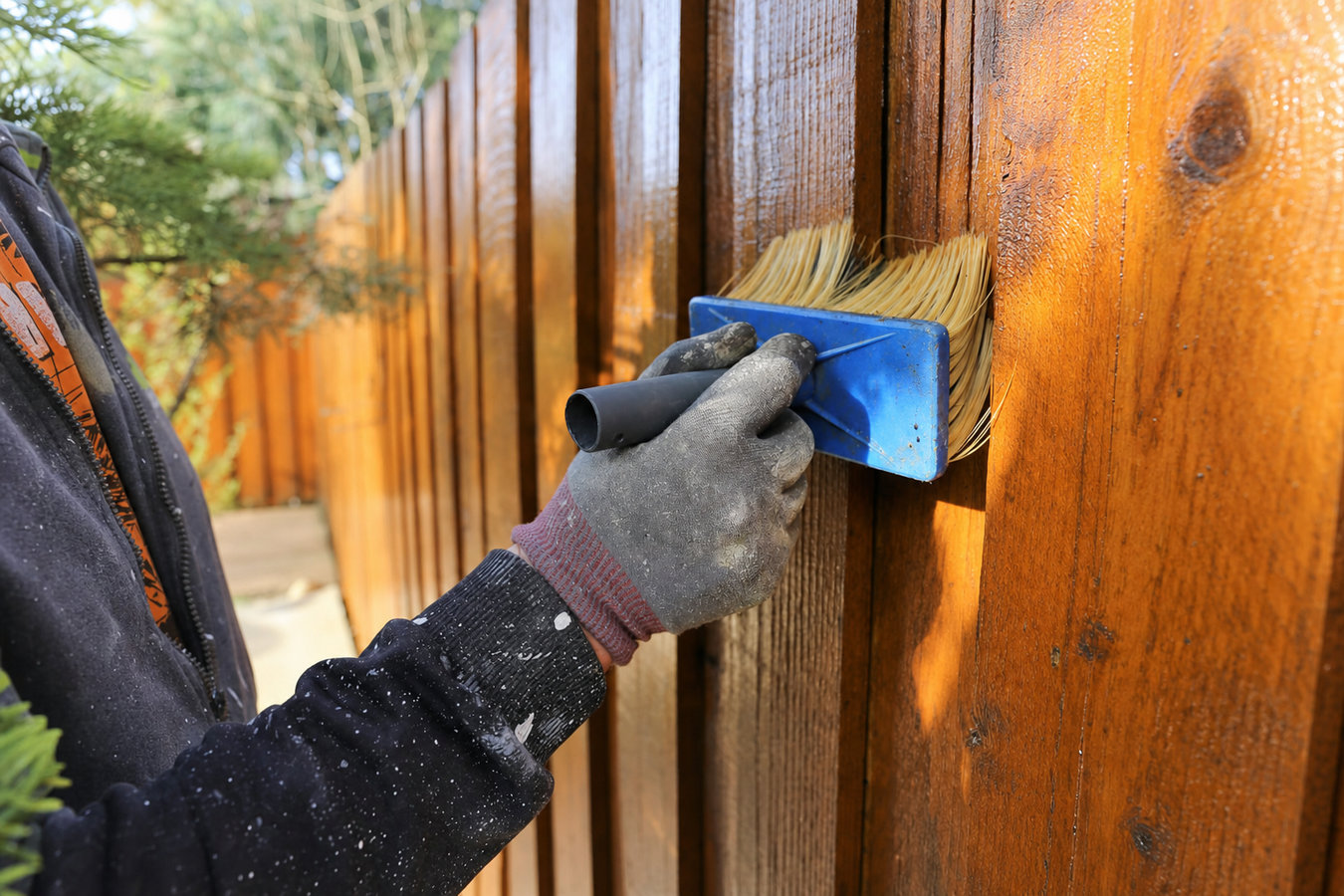
East Texas rain and heat eat through unprotected wood fast. A proper stain and seal job keeps your fence looking good and standing strong for years longer than leaving it bare.
Fence staining and sealing in Marshall, TX means cleaning the wood thoroughly, then applying a penetrating stain and water-resistant sealer that protect against the humidity, UV exposure, and mildew that East Texas throws at wood fences year-round. Most jobs on an average residential fence - around 150 to 200 linear feet - are completed in one to two days.
The difference between a fence that lasts 15 years and one that needs board replacements in seven often comes down to whether it was treated on a regular schedule. Marshall gets nearly 50 inches of rain a year, and unprotected wood absorbs moisture through every surface crack and joint. Stain penetrates the wood fibers - it does not just coat the surface - so it fades gradually rather than peeling off in sheets like paint does. That means a fence that has been stained properly looks better longer and is cheaper to maintain over its full life. If your fence has reached the end of that life, our fence replacement service handles full removal and new installation from the ground up.
For homeowners who want a fresh stain job alongside a new fence build, we coordinate both in a single project. Our wood fence installation team builds with pressure-treated Southern Yellow Pine and cedar - the most common fence materials in Harrison County - and we can schedule a first stain application as part of that same job so you start from day one with full protection.
When a wood fence loses its warm brown tone and goes gray or silver, that is the sun and rain stripping away the natural oils and any previous finish. In Marshall's climate, this color shift can happen within a single summer on a south-facing fence. It is not just cosmetic - gray wood is drier and more brittle, and more likely to crack and splinter if you do not act soon.
Try a simple test: splash a small cup of water on your fence boards. If the water beads up and rolls off, the sealer is still doing its job. If it soaks straight in and darkens the wood, the protective layer is gone. In Marshall, where heavy rain is a regular occurrence, unprotected wood absorbs enough moisture over a season to start softening the fibers.
Black streaks and green fuzzy patches are mildew and algae - they thrive in Marshall's humid summers and are actively breaking down the wood surface. They are not just ugly. If you wipe a patch off and it comes back within a few weeks, your fence needs proper cleaning and fresh protective treatment before the problem spreads to boards that are still in good shape.
Small surface cracks running with the wood grain - called checking - mean the wood has dried out from sun exposure. Marshall's long, hot summers cause this on unprotected fences within just a few seasons. Once checking starts, water gets into those cracks every time it rains and accelerates the damage. Catching this early with a fresh stain and seal can extend the fence's life by several years.
We offer penetrating oil-based stains, water-based stains, and clear sealers - each suited to different wood types, exposure conditions, and homeowner preferences. Most Marshall fences are Southern Yellow Pine or cedar, and the right product choice depends on which wood you have, how much sun the fence gets, and whether you want a color change or just want to preserve what you have. Every job starts with a thorough cleaning - pressure washing and mildew treatment as needed - because no stain bonds properly to a dirty surface. Skipping that step is the main reason stain jobs fail early. For fences that have a few damaged boards alongside surface wear, we coordinate minor board repairs as part of the same project so you are not staining over wood that will need replacing in a season anyway. If your fence has reached the point where repairs are more extensive, fence replacement is the honest recommendation, and we will tell you that upfront.
For homeowners building a new fence and wanting it protected from day one, we schedule the staining as part of the same project as the wood fence installation so the wood is sealed before its first wet season. We handle the scheduling around Marshall's weather windows - late winter through early spring is the ideal window here - so you are not trying to squeeze a stain job in between summer thunderstorms or waiting on a dry stretch that never comes.
Best for pine and cedar fences that need deep protection from moisture - soaks into the wood fibers rather than sitting on top, so it fades gradually and never peels.
A good fit for homeowners who want color that shows through the natural wood grain, with faster dry times and lower odor than oil-based products.
Ideal for homeowners who want to preserve the natural wood color and grain with no tint - adds a protective layer against moisture without changing the look of the fence.
For fences with heavy mildew, old flaking finish, or surface damage - full cleaning and brightening treatment before any stain is applied, so the new finish bonds correctly and lasts.
Marshall averages around 47 inches of rain per year, and summer humidity regularly climbs above 80 percent. That is a hard environment for any wood fence, and it is the main reason a fence in Harrison County needs treatment on a regular schedule rather than as a one-time job. The combination of moisture and heat creates ideal conditions for mildew and algae to take hold on bare wood, and once those organisms get established, they accelerate surface decay. The Texas A&M AgriLife Extension publishes guidance on wood preservation in humid climates that aligns with what we see in practice here: protection applied on a schedule is far less expensive than repairing damage from neglect. We serve homeowners across the region, including properties in Hallsville and Longview, where the same wet-climate conditions apply.
Marshall's long, hot summers add a second layer of stress on top of the moisture problem. UV exposure bleaches the natural oils out of wood and causes surface cracking - called checking - that opens pathways for water to get inside the boards. Fences on the south and west sides of a property, where afternoon sun hits hardest, can show visible checking within a couple of seasons if left untreated. The best staining window here is late winter through early spring, before the heavy storm season arrives, and local contractors fill their schedules fast once the weather cooperates. The USDA Forest Service wood research on surface preparation confirms what any experienced local contractor will tell you: a clean, properly prepped surface is the single biggest factor in how long a stain job holds up.
We will ask a few quick questions - fence length, material, and when it was last treated. We reply within one business day and can usually schedule an on-site look within a few days of your call.
We walk your fence line, check the wood condition, and note anything that affects the job - heavy mildew, boards that need replacing, or access limitations. You get a written quote that covers exactly what is included, with no surprise add-ons later.
On the work day, the crew starts with pressure washing and mildew treatment before any stain touches the fence. This step takes several hours and is what makes the finished job last - stain applied to a dirty surface fails early, full stop.
Once the wood is clean and dry, we apply the stain or sealer - typically with a sprayer for even coverage, then back-brushed into the grain. Before leaving, we walk the fence with you so you can confirm the coverage looks right while we are still on site.
Free on-site estimate. Written quote before any work begins. We reply within one business day.
(430) 214-0130Skipping the prep step is the single most common reason a stain job fails within a year. We pressure wash and treat for mildew before any product goes on, because a stain that bonds to a clean surface lasts two to four years - not two to four months.
Most Marshall fences are Southern Yellow Pine or cedar - both absorb stain differently and need different prep. We have been working with these materials in Harrison County's climate long enough to know which products hold up here and which ones look fine for one season and then fall apart.
Applying stain during a July heat wave or right before a rain system moves in produces a worse result. We book fence staining projects during Marshall's late-winter and early-spring window when conditions are right, so your fence gets the treatment it deserves rather than a rushed job squeezed into a bad forecast.
If we walk your fence and see that boards are rotted through or posts are failing, we will tell you. Staining over wood that needs replacing is a waste of your money. We would rather give you an honest assessment - including a recommendation to look at{" "}fence replacement if that is the right call - than take a staining job that will not solve the actual problem.
When you call Complete Marshall Fences, you are talking to a local team that has seen what Marshall's climate does to unprotected wood over years - not a regional franchise that treats every market the same. That local experience shows up in how we schedule, what products we recommend, and whether we tell you a stain job is the right call or something else is.
When staining is no longer enough - complete removal of your old fence and a new installation built to last in East Texas soil and weather.
Learn MoreNew wood fence installation using pressure-treated Southern Yellow Pine and cedar, coordinated with a first stain application on the same project.
Learn MoreMarshall's best staining window is late winter through early spring - local contractors book up fast once the weather cooperates. Call or send a message now and we will get you on the calendar.