
Loading...
Serving Marshall, TX and surrounding areas. (430) 214-0130
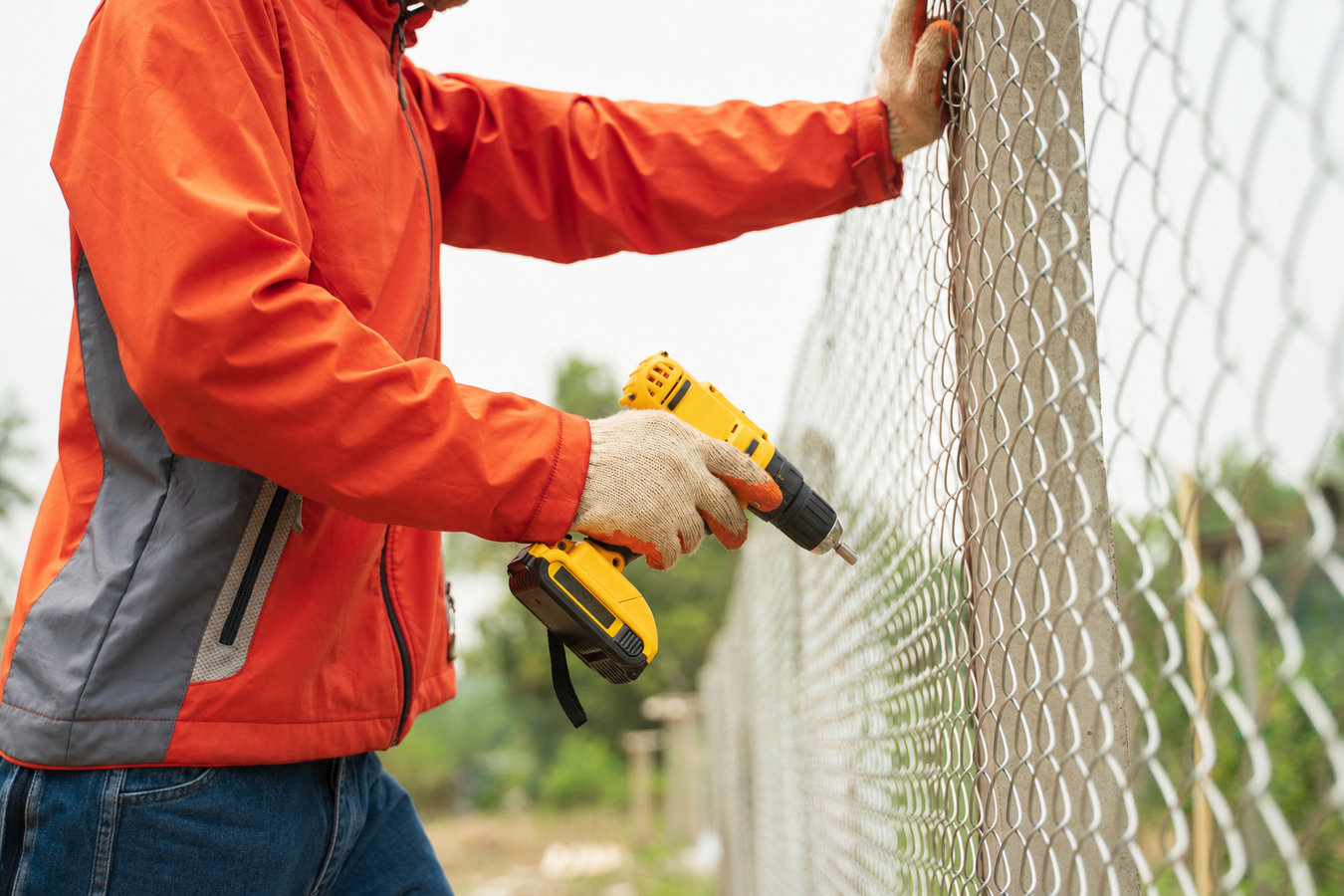
A leaning post, broken boards, or a gate that will not latch is a safety problem - not just an eyesore. We assess your full fence line, give you a written quote, and fix it in one visit.
Fence repair in Marshall covers everything from swapping a few rotted boards to resetting a leaning post or reattaching a storm-damaged section, and most jobs are finished in a single visit. We walk the entire fence line with you before quoting - because one visible problem often points to others nearby - and every repair comes with a written estimate before we touch anything.
Wood fences are the most common in Marshall and in Harrison County broadly, and they take the most punishment from East Texas humidity and the clay soil that shifts under posts with every wet-dry cycle. If your fence is leaning, has boards that feel soft near the ground, or has a gate that no longer closes cleanly, those are all problems with well-established fixes. For anything beyond a repair - a fence that has reached the end of its useful life - see our custom fence design service, where we can plan a full replacement that is built to last in this climate.
If you are not sure whether repair or replacement makes more sense, that is exactly the kind of question we answer during the estimate walkthrough. There is no obligation, and you will leave with a clear picture of what your fence actually needs. For fences that are still structurally sound but aging, check out fence staining and sealing as a way to extend the life of what you already have before a repair becomes necessary.
If any section is visibly tilting or you can push on a panel and feel it move, the posts have likely failed at the base. In Marshall's clay-heavy soil, posts shift gradually through repeated wet-dry cycles until a section suddenly looks noticeably off. A leaning fence is far cheaper to fix than a fallen one that has taken out something on the way down.
Press firmly on the lower third of each board along your fence line. If the wood gives under pressure, feels spongy, or crumbles at the edges, rot has taken hold. Marshall's persistent humidity means decay can spread quickly once it starts, and boards that feel solid at the top can be completely compromised at ground level.
A gate that no longer closes cleanly usually means the post it hangs from has shifted or the hardware has pulled loose. Left alone, a sagging gate puts ongoing stress on the surrounding fence structure. If you have young children or dogs in your yard, a gate that does not latch is also a safety concern that needs to be addressed quickly.
After any significant thunderstorm or high-wind event - common in East Texas from spring through early fall - walk your fence line and look for snapped boards, sections pushed inward or outward, or posts now sitting at an angle. Even minor-looking storm damage can compromise the integrity of a whole section, and getting it assessed quickly prevents a small repair from turning into a full replacement.
We repair all fence types - wood, vinyl, chain link, and aluminum - and handle everything from a single broken board to widespread post failure across a long section. Post replacement is the most serious and most commonly neglected repair. A post that has rotted below the surface can look fine from the outside while having almost no structural strength left. We dig out the old post, set a new one in concrete, and let it cure properly before reattaching panels - shortcuts on this step are what cause the same leaning problem to come back within a year or two. For anyone who has been wondering about a completely fresh start, our custom fence design service walks you through what a new fence built for your specific yard would involve.
Gate repair is another area where we get a lot of calls - gates are the hardest-working part of any fence and the first thing to fail. We rehang sagging gates, replace worn hardware, and address post problems that cause gates to go out of alignment. If storm damage has taken out a significant section of your fence and repair no longer makes financial sense, our fence replacement service gives you a clear-eyed comparison of repair versus replacement costs so you can make the right call for your situation.
For homeowners with specific sections of rot, storm damage, or warping that have not yet affected the posts.
For any fence that is leaning, wobbling, or has a post that is soft or crumbling at ground level.
For gates that sag, drag, or no longer latch - especially where the hanging post has shifted in Marshall's clay soil.
For sections pushed over, snapped, or structurally compromised by the high-wind events common in East Texas.
Marshall gets close to 50 inches of rain a year, and that persistent moisture is hard on wood fences in ways that are easy to underestimate. The humidity keeps fence wood damp for extended periods after rain, which accelerates rot and creates ideal conditions for insect damage. Combined with the heavy clay soil that expands when wet and contracts when dry, even a well-built fence will eventually need attention - and a fence that was built with the wrong materials or shallow posts will need it much sooner. If your home is more than 20 years old and the fence has never been fully assessed, the posts may be the weakest link even if the boards still look decent.
East Texas also sees active storm seasons from spring through early fall, with strong thunderstorms capable of pushing over sections or snapping boards in a single event. Local contractors in this part of Harrison County get busy quickly after major storms, so calling early after damage makes a real difference in scheduling. We regularly handle fence repair calls across the area, including in Gladewater and Hallsville where the same soil and weather conditions affect fences the same way they do in Marshall.
When you reach out, we ask a few basic questions - what the fence is made of, roughly how long it is, and what you have noticed. You do not need to know the exact problem. Describing what you see is enough for us to come prepared. We reply within one business day to set up a time.
A thorough walkthrough means we look at the whole fence, not just the spot you pointed out. One visible problem often signals others nearby. We explain what we find in plain terms during the walk - no waiting for a separate report. Ask us anything at this stage.
You receive a written quote that breaks down what will be repaired, what materials will be used, and the total cost. Most straightforward repairs can be quoted on the spot or within a day. Do not agree to work based on a verbal number alone - having it in writing protects both parties.
Most repairs are done in a single visit. If new posts are set in concrete, we tell you how long to wait before putting stress on that section - typically 24 to 48 hours. We haul away all removed materials and leave your yard in the same condition we found it.
We walk your fence line, explain what we find, and give you a written estimate before we touch anything. No surprise charges mid-job.
(430) 214-0130We set posts at minimum two feet deep with concrete - the standard that holds in soil that expands and contracts with every rain season. Shallow posts without concrete are the most common reason repairs fail again within a year. We do not take that shortcut.
Every repair starts with a written quote that spells out materials, scope, and total cost before anyone picks up a tool. The biggest source of homeowner frustration with contractors is a price that changes mid-job. That does not happen here.
We prioritize storm damage calls after significant weather events because a leaning fence that falls can cause more damage and a bigger repair bill. We work across Harrison County and neighboring areas so we can respond quickly when the spring and summer storm season hits.
We follow the installation and repair standards established by the American Fence Association, which means material selection, post depth, and concrete use are guided by tested industry best practices - not whatever is fastest on the day.
A fence repair that lasts starts with an honest assessment and materials matched to the actual conditions of your yard. In Marshall, that means accounting for clay soil, East Texas humidity, and the storm patterns that are part of living in this part of Harrison County.
When repair no longer makes sense, we design a new fence built specifically for your yard, soil, and how you plan to use the space.
Learn MoreIf your fence is past the point of repair, we handle full removal and replacement with materials suited to Marshall's clay soil and humid climate.
Learn MoreStorm season does not wait - a leaning or broken fence gets worse with every rain. Call us now or request a free estimate online and we will get back to you within one business day.